Treatment‑Resistant Depression Therapy in Greenwich, CT. You haven’t run out of options.
Trying one antidepressant after another and still feeling stuck is exhausting. It doesn’t mean something is wrong with you. NeuroStar® TMS works differently from medication, and it is FDA-cleared for adults whose depression hasn’t improved enough on antidepressants.
- FDA-cleared for adults who haven’t improved enough on antidepressants
- Works differently from medication, with no systemic side effects
- No anesthesia, no memory loss and no downtime
- Yale-trained, board-certified psychiatric nurse practitioners
- We verify your benefits and help with prior authorization

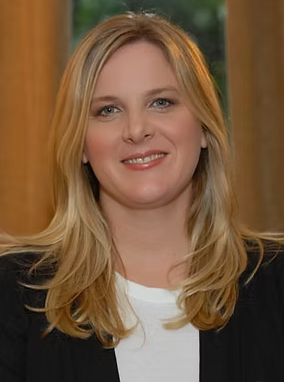
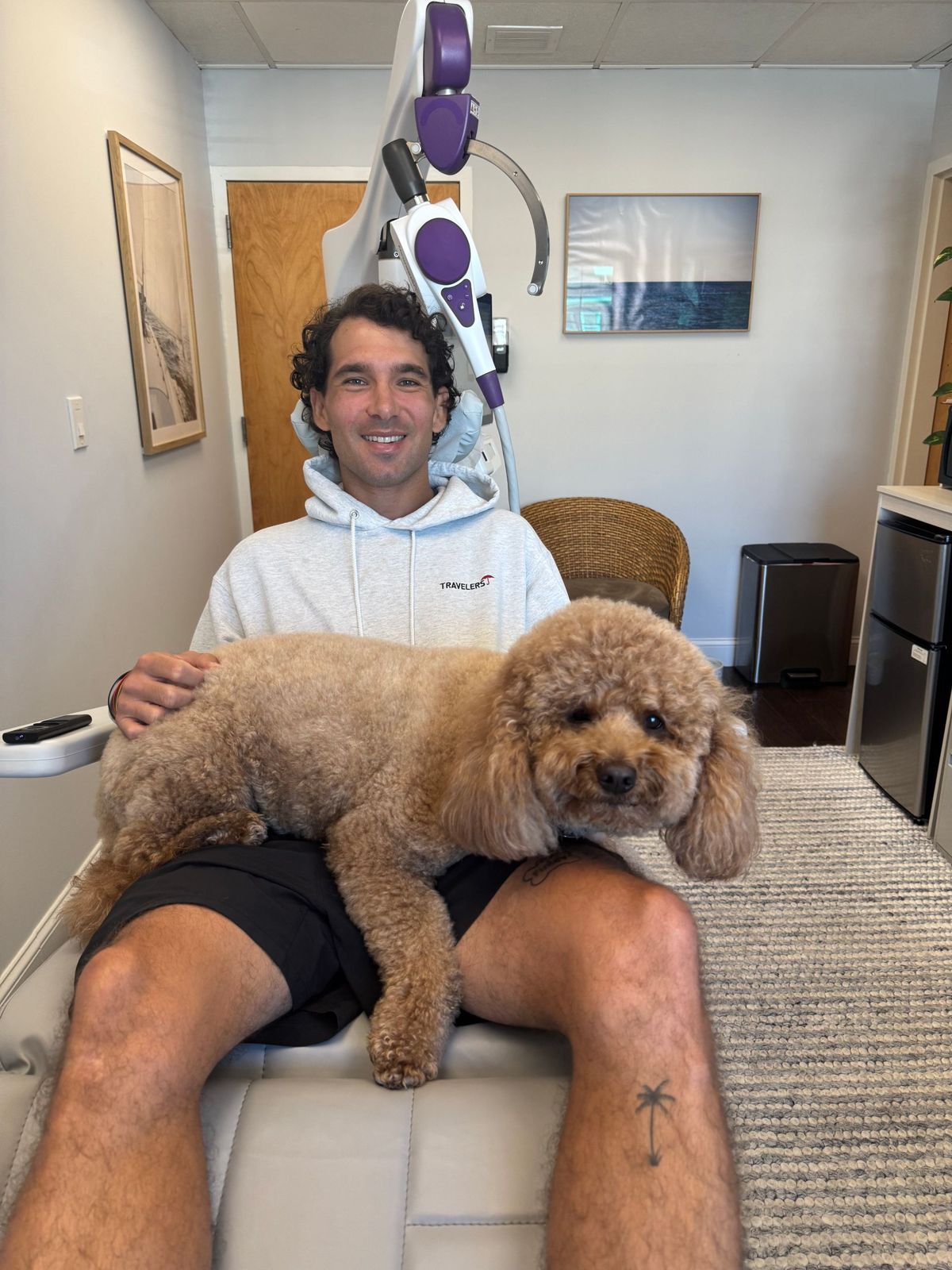
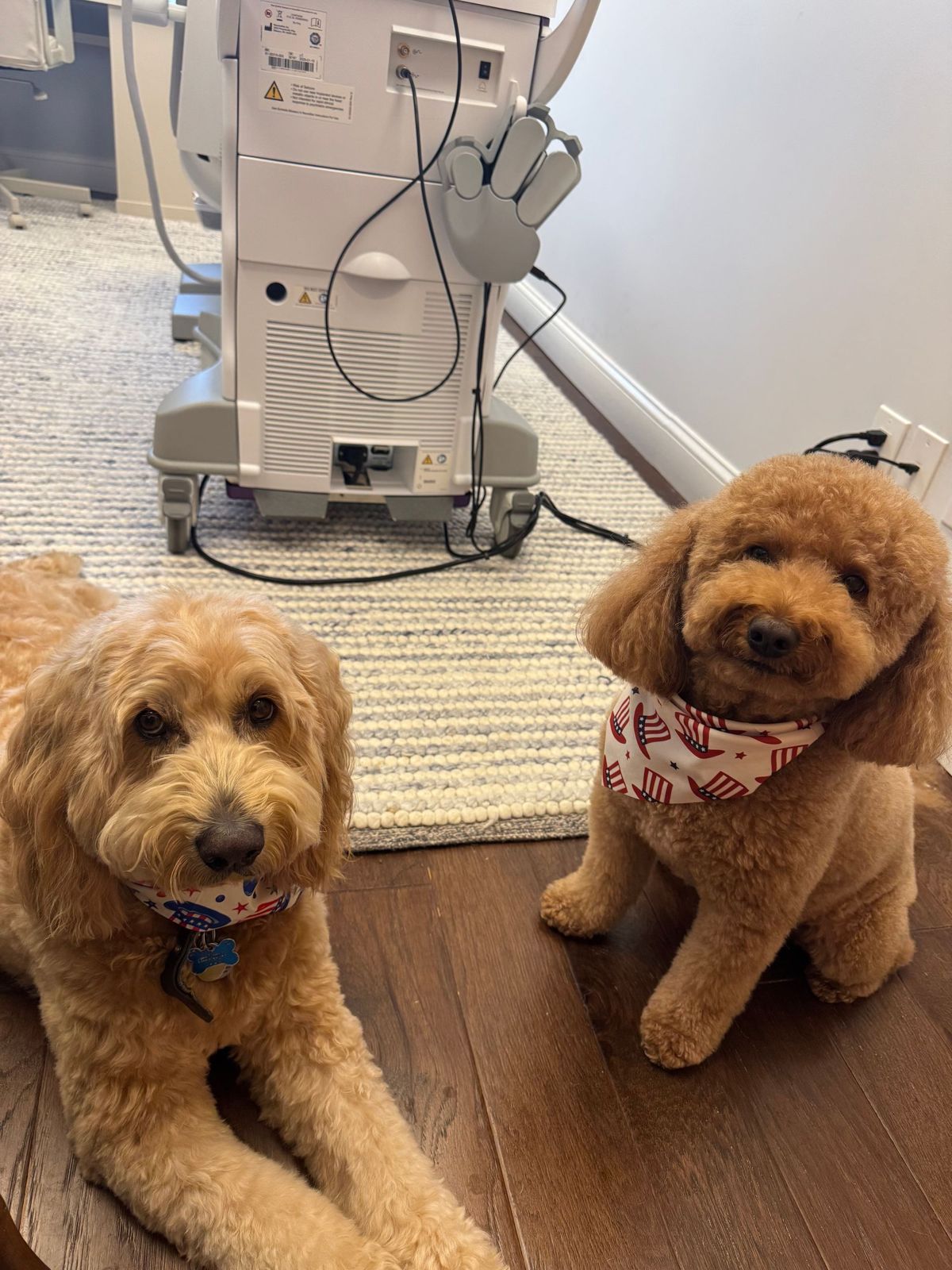 Meet Jill, Maryellen, and our therapy dogs
Understanding treatment-resistant depression
Treatment-resistant doesn’t mean untreatable.
Clinicians use the term treatment-resistant depression when depression hasn’t improved enough after trying antidepressant medication, commonly after at least two different antidepressants taken at an appropriate dose and for an appropriate length of time.
It describes what you’ve been through, not who you are. For many people, it is the point where a different kind of treatment becomes worth exploring.
Jill Vaughan Tesei, APRN
Founder, specializing in composite treatment for depression that hasn’t responded to standard care
A different approach
TMS stimulates the brain directly instead of circulating through your body like a medication.
Does this sound like you?
You’ve done the work. You still feel stuck.
Many people try one antidepressant after another, only to find their symptoms don’t lift or the relief fades. Check anything that matches your experience. Nothing here is saved or sent.
This is not a diagnosis. Eligibility for TMS depends on your treatment history, current symptoms and insurance requirements, and our team can talk it through with you.
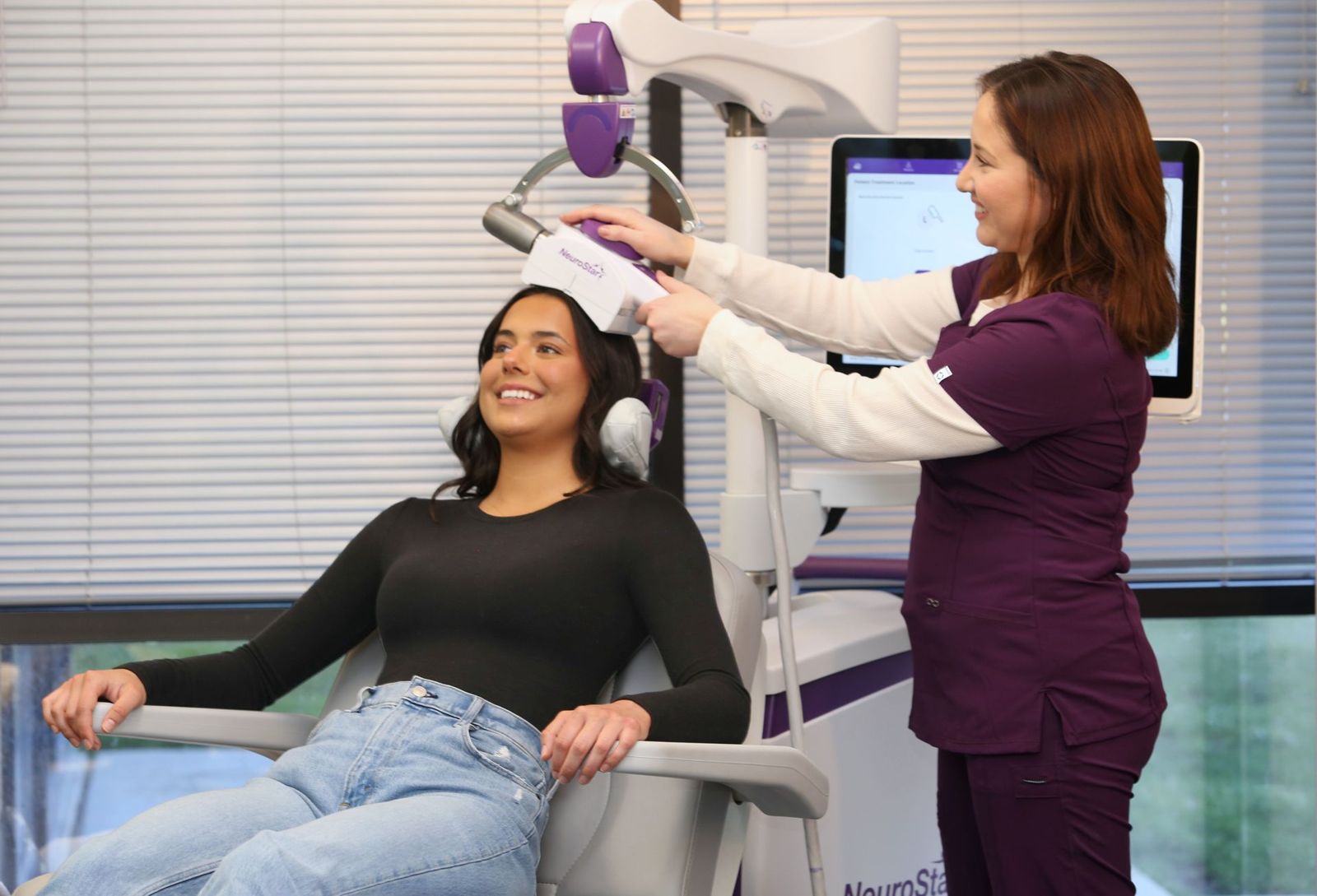
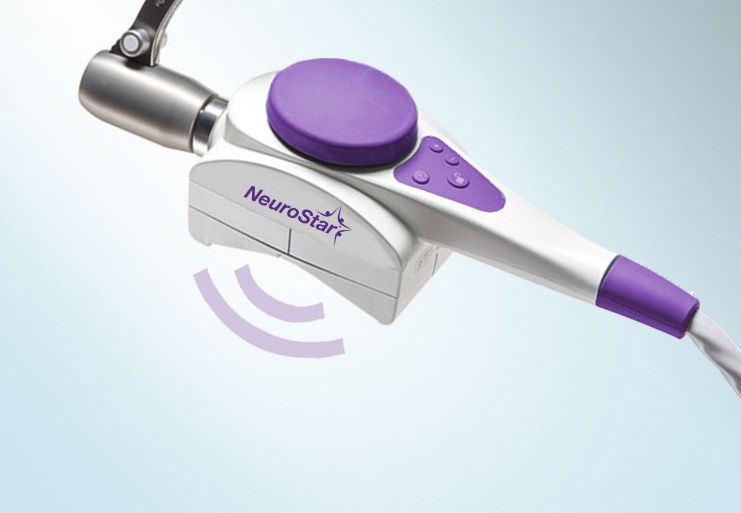
NeuroStar® TMS
A non-drug, non-invasive option
How NeuroStar® TMS can help
A new path when pills haven’t been enough.
NeuroStar® uses gentle magnetic pulses to stimulate areas of the brain known to be underactive in people with depression. Because it works differently from antidepressants, it can open a new direction when medication hasn’t helped. Nothing circulates through your body, so it avoids side effects like weight gain, dry mouth or sedation.
01
Not another pill
TMS targets mood-related brain areas directly, rather than through your bloodstream.
02
Not ECT
No sedation and no memory loss. You stay awake and alert the whole time.
03
Fits your day
Sessions last 19 to 37 minutes, and most people drive themselves home afterward.
- FDA-cleared
- No systemic side effects
- No anesthesia
- Can be combined with medication
The research
Studied in people whose depression persisted despite medication.
TMS is not right for everyone, and everyone responds differently. These figures come from published NeuroStar® research, and your provider will talk with you about realistic expectations.
58%
responded in a 42-site study of patients whose depression persisted despite antidepressants1
37%
reached remission in that same real-world study1
83%
responded in the NeuroStar Outcomes Registry, by clinician rating (CGI-S)2
12 mo
follow-up: 62.5% of responders still met response criteria3
1. Carpenter LL, et al. Depress Anxiety. 2012;29(7):587-596. 307 patients, clinician-rated outcomes. 2. Sackeim HA, et al. J Affect Disord. 2020;277:65-74. Clinician-rated CGI-S results; patient-rated rates were lower. 3. Dunner DL, et al. J Clin Psychiatry. 2014;75(12):1394-1401. Patients continued medication and could receive additional TMS sessions. Individual results may vary.
Options we offer
More than one way forward.
When standard treatment hasn’t worked, your plan may include NeuroStar® TMS, medication management, or both. Here is where our team can help.
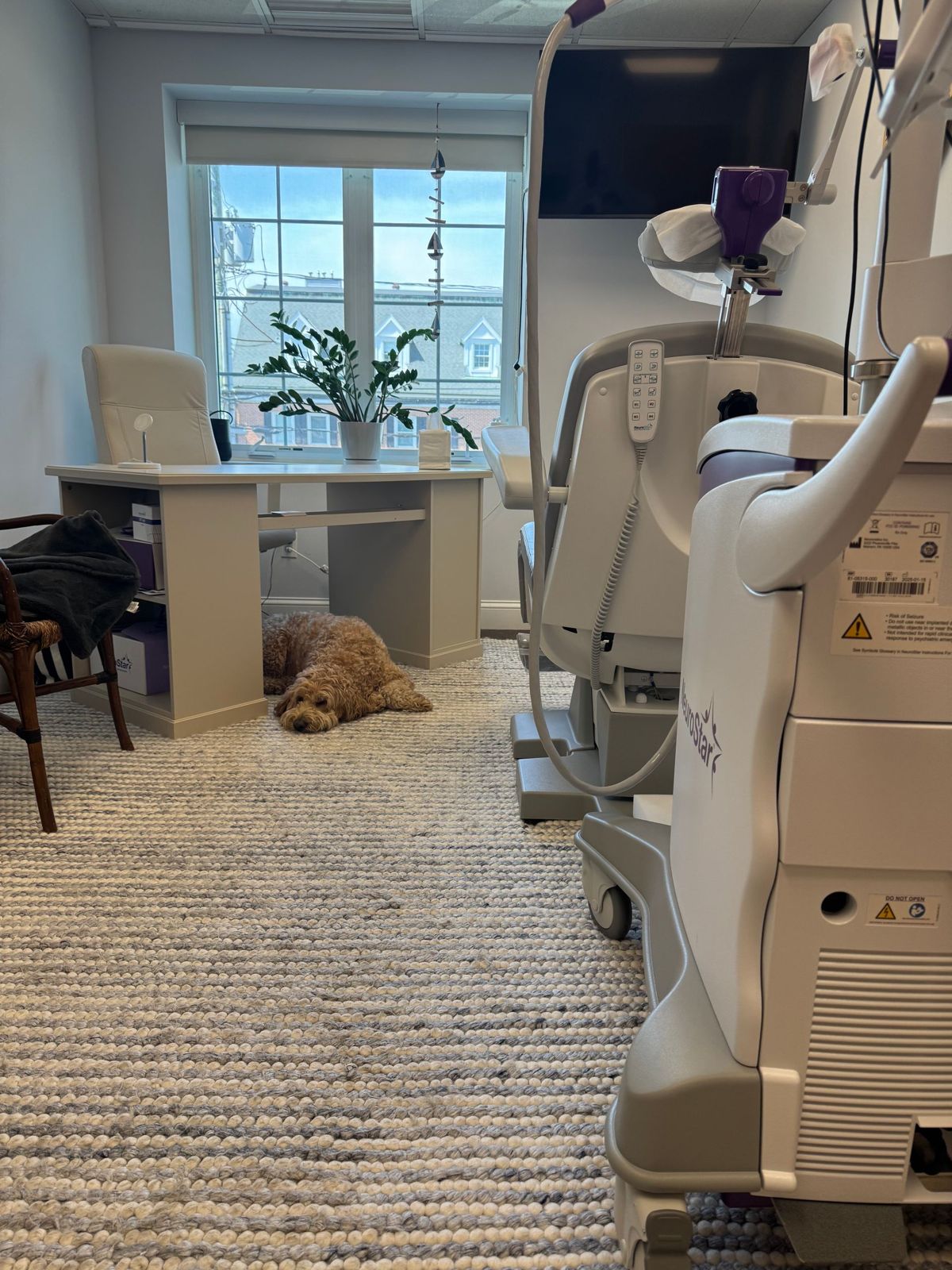
Our focus
NeuroStar® TMS for treatment-resistant depression
Daily sessions over 4 to 6 weeks in our calm Cos Cob office, with your progress tracked closely.
Ask about this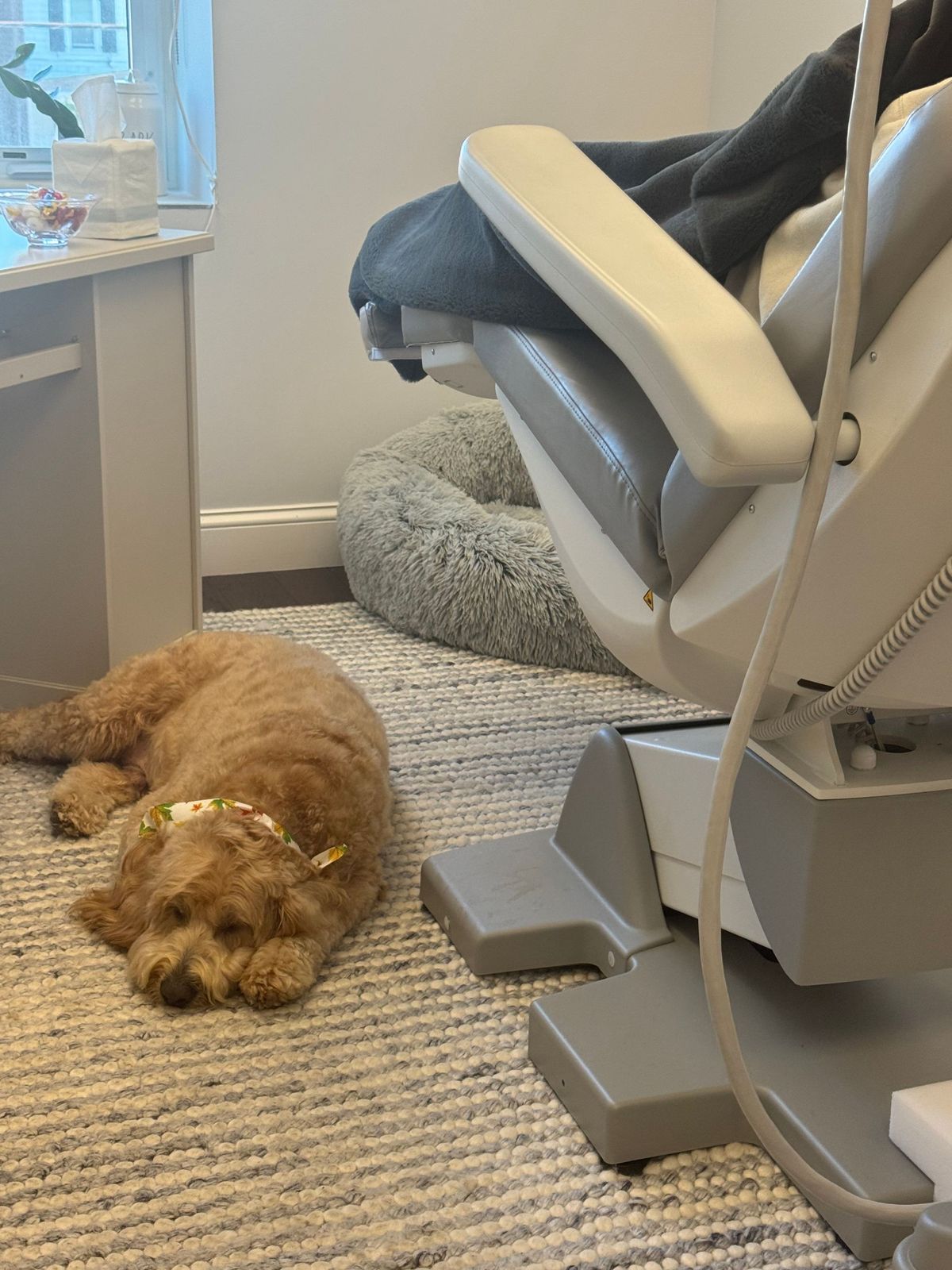
When anxiety comes along with it
NeuroStar® is also cleared to reduce the anxiety symptoms that often come with depression.
Ask about thisGenomind® genetic testing
An optional cheek-swab test that shows how your genetics may affect your response to mental health medications.
Ask about this15–21
Teens and young adults
Cleared as an add-on treatment for adolescent depression, with families involved as partners in care.
Ask about thisComposite care
Jill specializes in combining two or more therapies, such as TMS and medication management, into one personalized plan for depression that hasn’t responded to standard care.
Ask about thisAlso ask us about
- Medication management
- Therapy with our providers
- OCD
- Sleep problems alongside depression
How to get started
From feeling stuck to a clear next step.
You’ve already been through a lot. We keep the process simple and handle the insurance paperwork with you.
-
1
Free discovery call
Tell us what you’ve tried so far and what hasn’t worked. No obligation.
-
2
Benefits and authorization
We verify your coverage and help obtain prior authorization before you begin.
-
3
Your personalized plan
Your provider recommends TMS, medication management, or a combination that fits you.
-
4
Daily sessions
One session a day over 4 to 6 weeks, with your progress tracked closely.
Tip: if you can, jot down the medications you’ve tried before your call.
Insurance & cost
Coverage starts with your treatment history.
Most commercial and Medicare plans now cover TMS therapy for depression. Eligibility depends on your treatment history, current symptoms and insurance requirements, so we verify your benefits and help obtain prior authorization before you begin.
What to expect
- We verify your benefits before your first appointment
- We help obtain prior authorization for TMS treatment
- Out-of-network benefits may apply, and some patients receive partial or full reimbursement depending on their plan
- Not sure about your plan? Call us and we’ll check for you
No surprises: we walk you through your benefits and next steps before you begin.
FAQ
Questions about treatment-resistant depression.
Something else on your mind? Call 203-769-1365 and ask. We’re happy to talk it through.
Schedule a Free Discovery CallIt’s the term used when depression hasn’t improved enough after trying antidepressant medication, commonly after at least two different antidepressants taken at an appropriate dose and for an appropriate length of time.
TMS is typically used when antidepressant medications haven’t been effective, have stopped working, or as an alternative to medication. A free discovery call can help you understand whether NeuroStar® TMS is a fit for you.
TMS stimulates mood-related areas of the brain with magnetic pulses instead of circulating through your bloodstream. That’s why it doesn’t cause side effects like weight gain, sexual dysfunction, nausea, dry mouth or sedation.
Yes, when it’s the right fit. Your provider will talk with you about whether medication, NeuroStar® TMS, or a combination makes sense for you.
No. NeuroStar® TMS is not electroconvulsive therapy (ECT). It does not require sedation or cause memory loss, and most patients drive themselves to and from sessions.
You sit comfortably while a small, curved coil rests on your head. You’ll hear a clicking sound and feel a tapping sensation. The most common side effects in clinical trials were headache and scalp discomfort, generally mild to moderate and less frequent after the first week.
A typical initial course is one session a day over 4 to 6 weeks, with each session lasting about 19 to 37 minutes.
Most commercial and Medicare plans now cover TMS therapy for depression. Coverage and eligibility vary by plan, and we verify your benefits before your first appointment.
Let’s talk about what comes next.
A free, no-obligation discovery call with our team. Bring your questions and your treatment history, and we’ll help you understand whether NeuroStar® TMS could fit.